Learning a musical instrument opens a world of expression, creativity, discipline and joy. But with such a vast array of instruments available, the first question can often be: Where do I even start? This guide will help you (or your child) explore the landscape of musical options, considering what might suit your interests, temperament, and circumstances best.
🎵 Why the Instrument Matters
Choosing an instrument is a personal and often emotional decision. Some fall in love with the sound of the cello before they know what it’s called; others might start with practicality — what fits in a backpack or can be played in a local band? The right choice often depends on a combination of passion, personality, and practicalities.
🧭 The Main Instrument Families: Pros and Considerations
🎻 Strings (Violin, Viola, Cello, Double Bass, Guitar, Harp)
Pros:
- Wide expressive range and beautiful tone
- Essential in orchestras, chamber groups, and folk music
- Develop a keen ear for pitch (mostly no frets!)
Considerations:
- Requires careful ear training and intonation
- Some can be physically demanding to hold or transport
- Violins/violas often sound scratchy at first — patience is key!
Ideal for: Those drawn to emotional expression, detail-oriented learners, and ensemble enthusiasts.
🎺 Brass (Trumpet, Trombone, French Horn, Euphonium, Tuba)
Pros:
- Bold, powerful sound; great for confident personalities
- Excellent breath control and lung development
- Crucial in bands, orchestras, and jazz groups
Considerations:
- Physically demanding embouchure (lip and facial control)
- Larger instruments can be tricky for younger children
- Needs space to practise comfortably
Ideal for: Outgoing performers, team players, and fans of jazz.
🎷 Woodwind (Flute, Clarinet, Oboe, Bassoon, Saxophone)
Pros:
- Versatile in many musical styles from classical to jazz
- Teaches breath control and phrasing
- Flute, oboe and clarinet are relatively light and portable
Considerations:
- Reeds can be fiddly or expensive
- Some are tricky for small hands (bassoon, saxophone)
- Requires good posture and breath support
Ideal for: Curious minds, jazz lovers, and sensitive listeners.
🥁 Percussion (Drums, Xylophone, Marimba, Vibes, Timpani)
Pros:
- Great for improving coordination
- Found in all musical genres
- Focus on rhythmic skills
Considerations:
- Space and noise levels can be an issue (electronic drum kits are available!)
- Tuning and technique vary across instruments
- Often involves learning multiple instruments within the family
Ideal for: Energetic, hands-on learners who thrive on rhythm and movement.
🎹 Keyboard Instruments (Piano, Organ, Synthesiser)
Pros:
- Excellent foundation for theory and composition
- Linear layout helps visualise harmony and melody
- Solo and ensemble versatility
Considerations:
- Pianos are expensive and bulky (though keyboards are portable)
- Requires coordination of both hands independently
- Harder to join ensembles unless you seek them out
Ideal for: Independent learners, budding composers, and lovers of harmony.
🎤 Voice
Pros:
- Most natural and accessible instrument of all
- Teaches listening, phrasing, diction, and expression
- Builds confidence and connection through words and music
Considerations:
- Boys’ voices in particular will go through a period of change during teenage years
- Requires emotional commitment and self-awareness
- Often benefits from a good teacher for vocal health
Ideal for: Expressive, verbal personalities and lovers of lyrics and storytelling.
🔍 Questions to Help You Choose
- Do you prefer melody, rhythm, or harmony?
- Do you want to play alone or with others?
- How much space do you have to practise?
- What kind of music do you want to play?
- Are you drawn to the sound, the look, or the feel of a particular instrument?
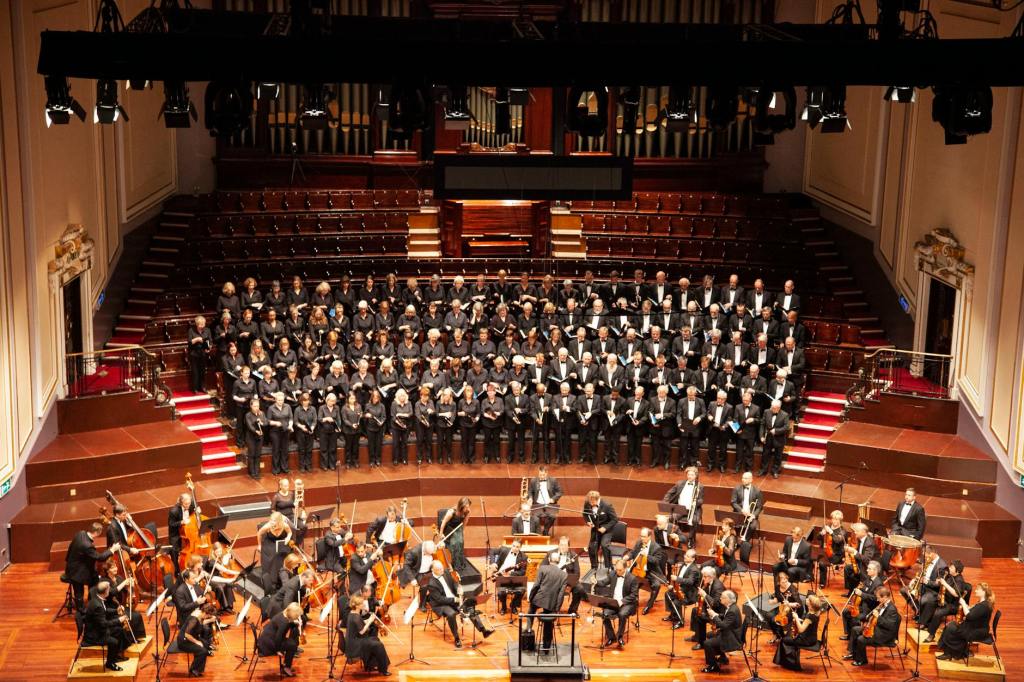
Try listening to pieces featuring different instruments, or better yet, attend a live performance. Seeing instruments in action can spark enthusiasm that no chart or article ever could.
🎬 Interactive Suggestions
- Interactive Instrument Sampler – Philharmonia Orchestra
Try out sound samples and videos of each orchestral instrument. - SFS Kids – Music Lab
A fun, kid-friendly resource to explore instrument sounds and musical concepts. - BBC Ten Pieces: Discover the Orchestra
Videos and activities introducing instruments and ensembles.
🎓 Setting the Stage
No matter which instrument you choose, it’s not about picking the perfect one — it’s about beginning a relationship. Some people change instruments later in life; some master several. What matters is starting the journey.
In our next post, we’ll explore how playing a musical instrument benefits not just the ears and fingers — but the brain, memory, focus, and even academic performance. Music isn’t just an art — it’s cognitive gold.
 RobboDoesMusic
Leave a comment